Winter Haven, FL Restoration Services
Water Removal & Extraction in Winter Haven, FL
Emergency water removal and extraction services for properties in Winter Haven, FL — focused on physically removing excess and standing water so drying can begin.
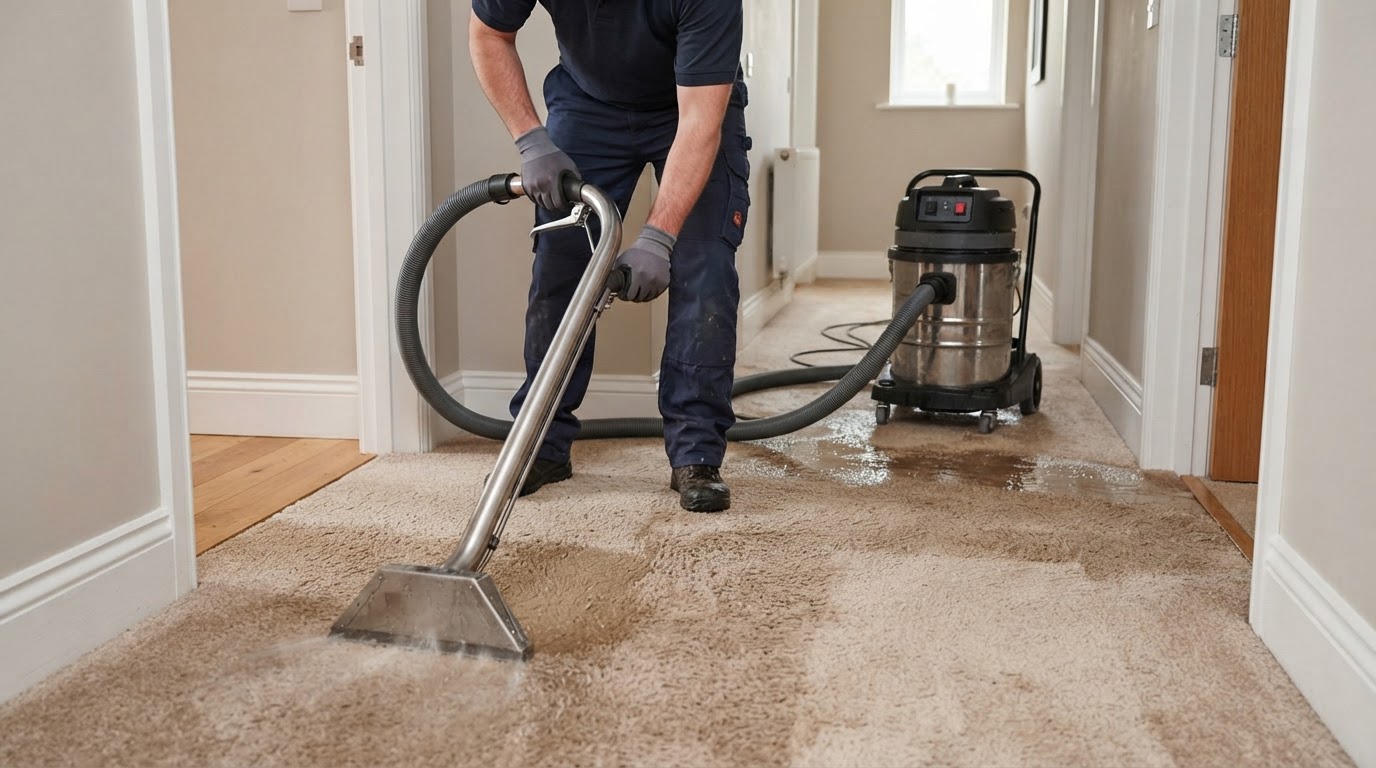
Water extraction focuses on physically removing excess water from the affected property so that drying and moisture control can begin. When water pools on flooring or saturates carpet and other materials, removing it promptly is typically the first active step in limiting how far moisture spreads into surrounding building materials.
Onsite Mitigation and Restoration Inc helps Winter Haven property owners address standing water, saturated carpet, wet hard-surface flooring, and water that has migrated into adjacent areas. Extraction is an important phase — but it is generally the beginning of the process rather than the whole restoration, because moisture often remains in materials after the visible water is gone.
What Is Professional Water Extraction?
Water extraction is the physical removal of standing and excess water from a property using extraction equipment. It targets water that has pooled on floors, saturated carpet and padding, and collected in other affected areas. The objective is to pull as much of the free water as possible out of the property so that structural drying can effectively address the remaining moisture.
It is helpful to understand how water extraction fits within the broader restoration process. Water removal and extraction are closely related terms for getting excess water out of the property. Water mitigation is the larger effort of limiting additional damage, which includes extraction but also moisture assessment and stabilization. Structural drying addresses the moisture that remains inside building materials after extraction. Restoration is the overall process of returning the property to its pre-loss condition.
A common misconception is that removing visible water is enough to resolve the loss. In most cases it is not. Water can travel beneath flooring, into drywall, and behind baseboards, leaving moisture behind that extraction equipment cannot directly reach. That is why extraction is paired with moisture evaluation and drying — the full combination addresses both the water you can see and the moisture you cannot.
What is the difference between water removal and water damage restoration?
When Does a Property Need Water Removal Near Winter Haven?
Situations That Call for Extraction
A property may need water removal after a pipe rupture, a supply-line failure, an overflowing fixture, storm-driven water intrusion, a water heater leak, an appliance leak, a roof leak, or flooding. Any event that leaves standing water or heavily saturated materials typically warrants extraction before drying can proceed effectively.
The volume of water and how long it has been present both influence the approach. A large release from a burst supply line can spread quickly across flooring and into adjacent rooms, while a slower leak may saturate a smaller area more deeply over time. In each case, the goal is to remove the excess water and then assess where moisture may have migrated beyond the visible pooling.
Signs Water Has Migrated
Water does not always stay where it first appears. Signs that water has migrated beyond the obvious pooling include wet or damp baseboards, soft or discolored drywall, water beneath hard-surface flooring, moisture in adjacent rooms, and visible pooling in low areas or against walls. These indicators help determine where extraction and drying attention are needed.
If the water may be contaminated — such as from a sewage backup or certain types of outside floodwater — additional precautions apply, and the cleanup approach differs from a clean plumbing-water loss. In those situations, the source of the water determines how the extraction and cleaning are handled.
Our Water Extraction and Drying Process
The extraction process is adapted to the source and extent of the water. A typical sequence may include the following steps, adjusted based on conditions found on site.
Evaluate Water Source and Affected Areas
The source of the water and the areas it has reached are identified so that extraction can be directed where it is needed and safety considerations can be addressed.
Identify Visible Standing Water
Pooled water on flooring, in low areas, and in saturated materials is located and prioritized for removal based on volume and location.
Perform Water Extraction
Extraction equipment is used to pull standing and excess water out of flooring, carpet, and other affected surfaces so that drying can begin.
Evaluate Remaining Moisture
After extraction, moisture is assessed in areas where water may have migrated — beneath flooring, behind baseboards, and inside wall cavities — to identify what drying still needs to address.
Begin Drying and Dehumidification
Air movement and dehumidification are directed at the remaining moisture in affected materials, with drying progress monitored over time.
Continue Restoration Planning
Once excess water is removed and drying is underway, the property is evaluated for the next restoration steps based on the condition of affected materials.
Need water removed from your Winter Haven property? Call our team.
Call 863-347-3029Water Extraction Services in Winter Haven and Polk County
Water extraction is generally the first phase of addressing a water loss rather than the complete restoration. Removing the visible water quickly can help limit how much moisture absorbs into surrounding materials, but the moisture that remains inside flooring, drywall, and framing still needs to be addressed through drying. Skipping the drying phase can leave hidden moisture behind even when the property looks dry on the surface.
For Winter Haven and Polk County property owners, understanding this distinction helps set realistic expectations. Extraction gets the bulk of the water out; drying manages what remains. Both are part of a complete approach to water mitigation. Onsite Mitigation and Restoration Inc handles extraction as part of that broader process rather than as an isolated service.
Related services include water damage restoration, flood damage cleanup, burst pipe cleanup, and structural drying and dehumidification. When contamination is a concern, such as after a sewage backup, our sewage and black water cleanup applies additional precautions.
Why isn't removing visible water enough?
Serving Winter Haven
From Winter Haven to homes and businesses across surrounding Polk County and Central Florida communities, Onsite Mitigation and Restoration Inc provides access to water, fire, smoke, storm and related restoration services.
863-347-3029Water Removal & Extraction FAQs
What is water extraction?+
Water extraction is the physical removal of standing and excess water from a property using extraction equipment. It targets pooled water on flooring, saturated carpet and padding, and water in other affected areas so that structural drying can begin. Extraction is typically one of the first active steps after the source and extent of the water are evaluated.
Is water removal the same as water damage restoration?+
No. Water removal focuses on getting excess water out of the property. Water damage restoration is the broader process that includes removal, moisture assessment, structural drying, and preparation for repair. Removal is an important early phase within restoration, but it does not by itself address the moisture that remains inside building materials.
Why isn't removing visible water enough?+
Moisture often remains beneath flooring, inside drywall, and behind baseboards after the visible water is removed. That hidden moisture can continue to spread and affect surrounding materials. Structural drying is needed to address what extraction cannot directly reach, which is why removal is paired with drying rather than treated as a complete solution.
Can water remain beneath floors after extraction?+
Yes. Water can migrate beneath hardwood, laminate, tile, and carpet into the subfloor and padding. Extraction equipment addresses the water it can reach, but moisture trapped below the surface is evaluated and addressed through drying. The area beneath flooring is assessed rather than assumed to be dry.
What happens after standing water is removed?+
After standing water is removed, remaining moisture is assessed in areas where water may have migrated. Drying and dehumidification are then directed at the affected materials, and the property is evaluated for the next restoration steps. Extraction is the beginning of the process, not the end.
Can carpet be extracted after water damage?+
Carpet and padding can often be extracted to remove absorbed water, though the condition of the materials and the source of the water influence whether they can be dried in place or need to be removed. A restoration professional evaluates the carpet, padding, and subfloor to determine the appropriate approach.
Does all water damage require extraction?+
Most water losses that involve standing water or saturated materials benefit from extraction, but the need depends on the volume and location of the water. Smaller, contained moisture situations may be addressed primarily through drying. The approach is determined by evaluating the extent of the water on site.
What should I do while waiting for professional water removal?+
While waiting, avoid entering areas where electricity or structural hazards may be present, and do not wade into standing water near electrical sources. If it can be done safely, limit foot traffic in affected areas to reduce the spread of moisture. Contact a restoration company to begin extraction and drying as soon as possible.
Need Water Removed From Your Winter Haven Property?
Contact Onsite Mitigation and Restoration Inc to discuss your property and next-step restoration needs. Our team is ready to help you take the next step.
Request Restoration Help
Tell us about your property and the damage. We'll review your request and reach out.