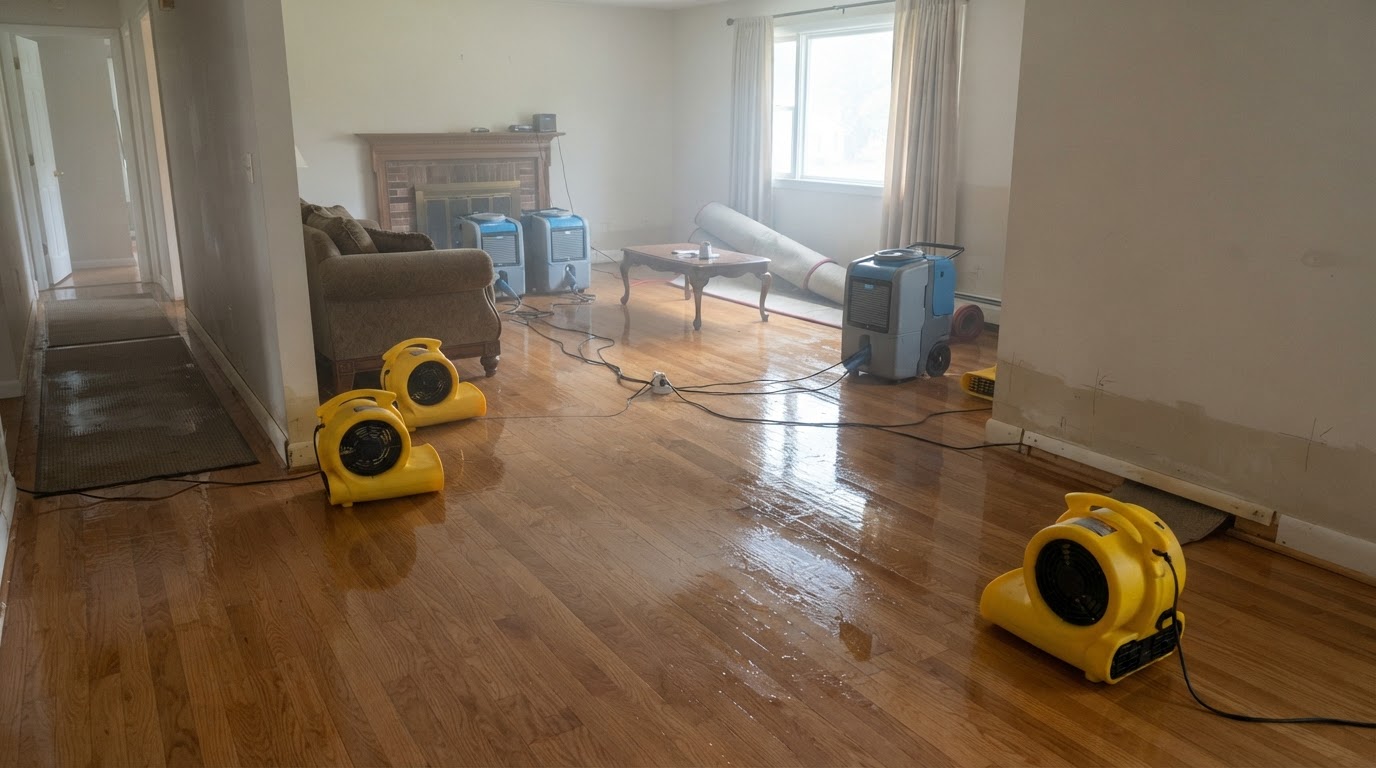
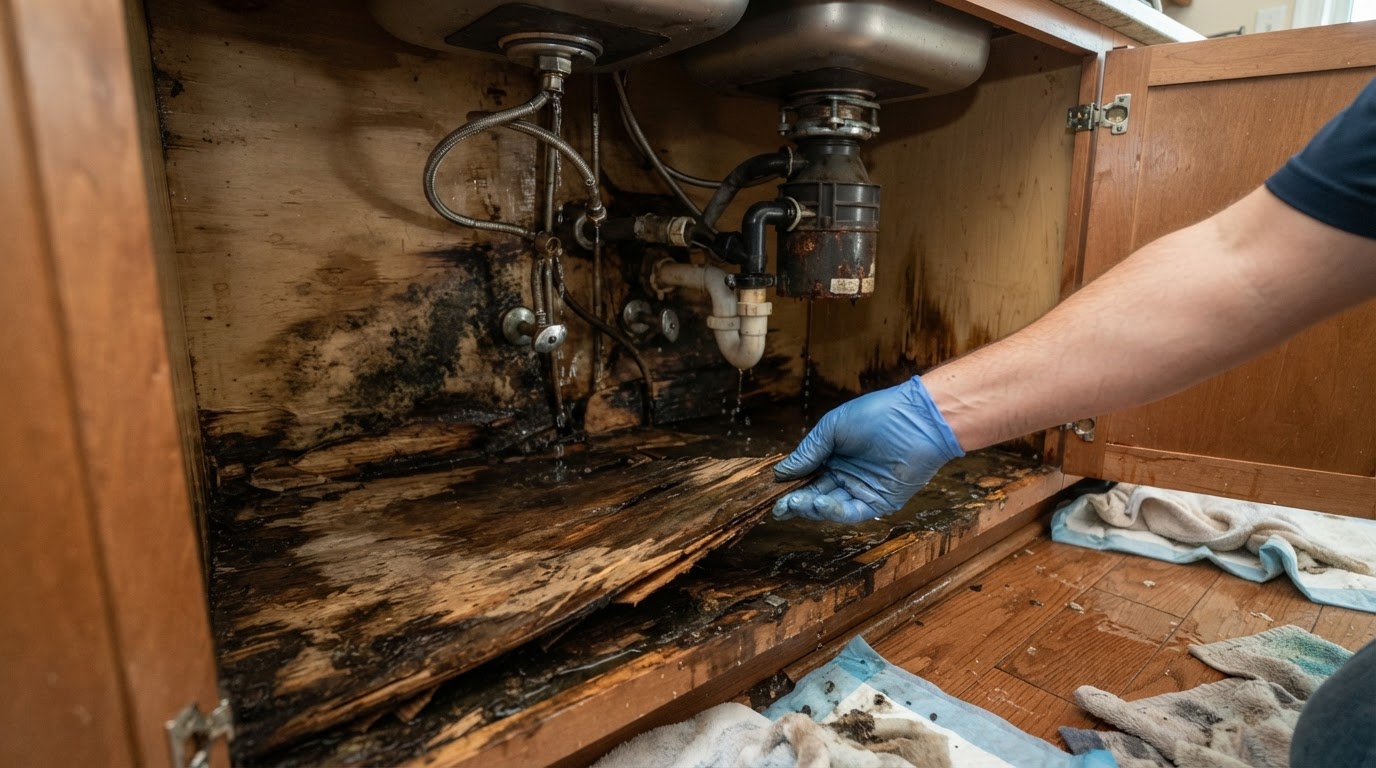
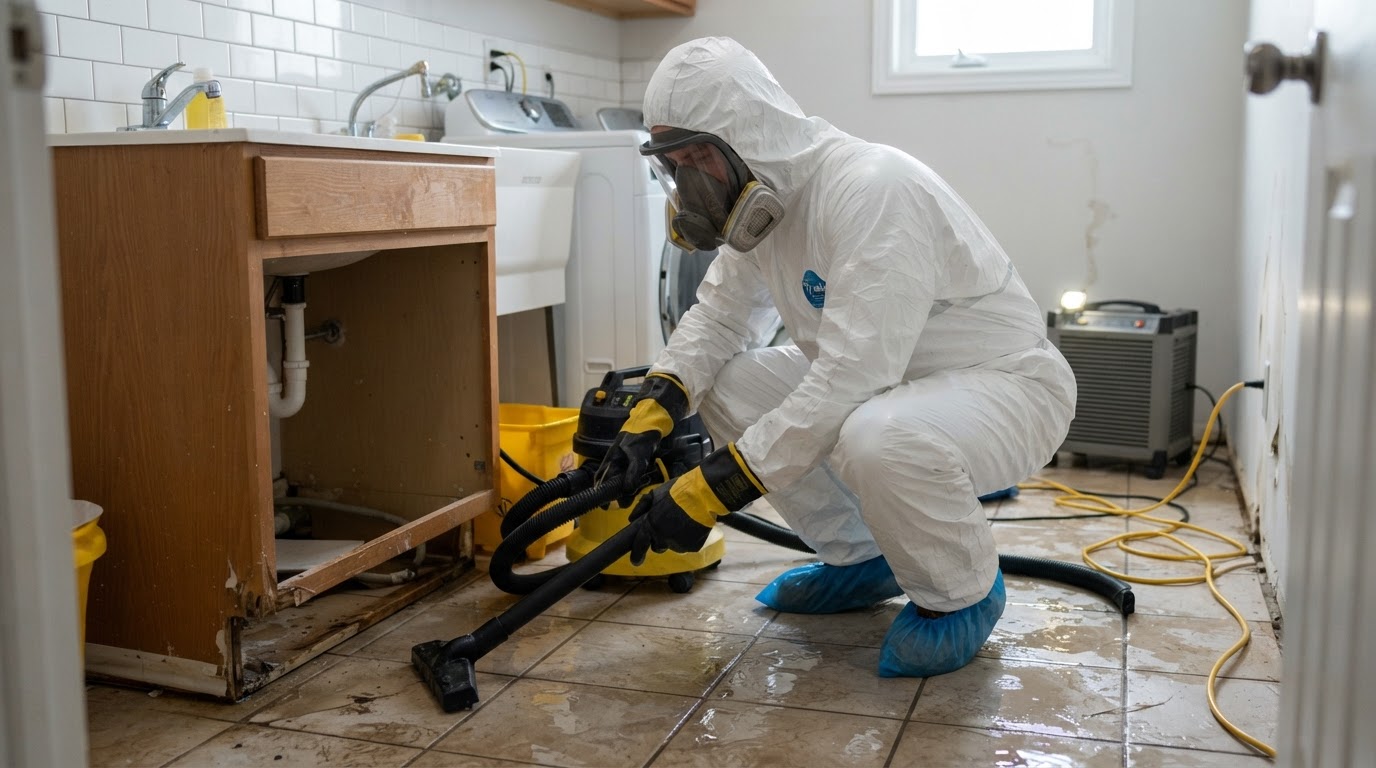
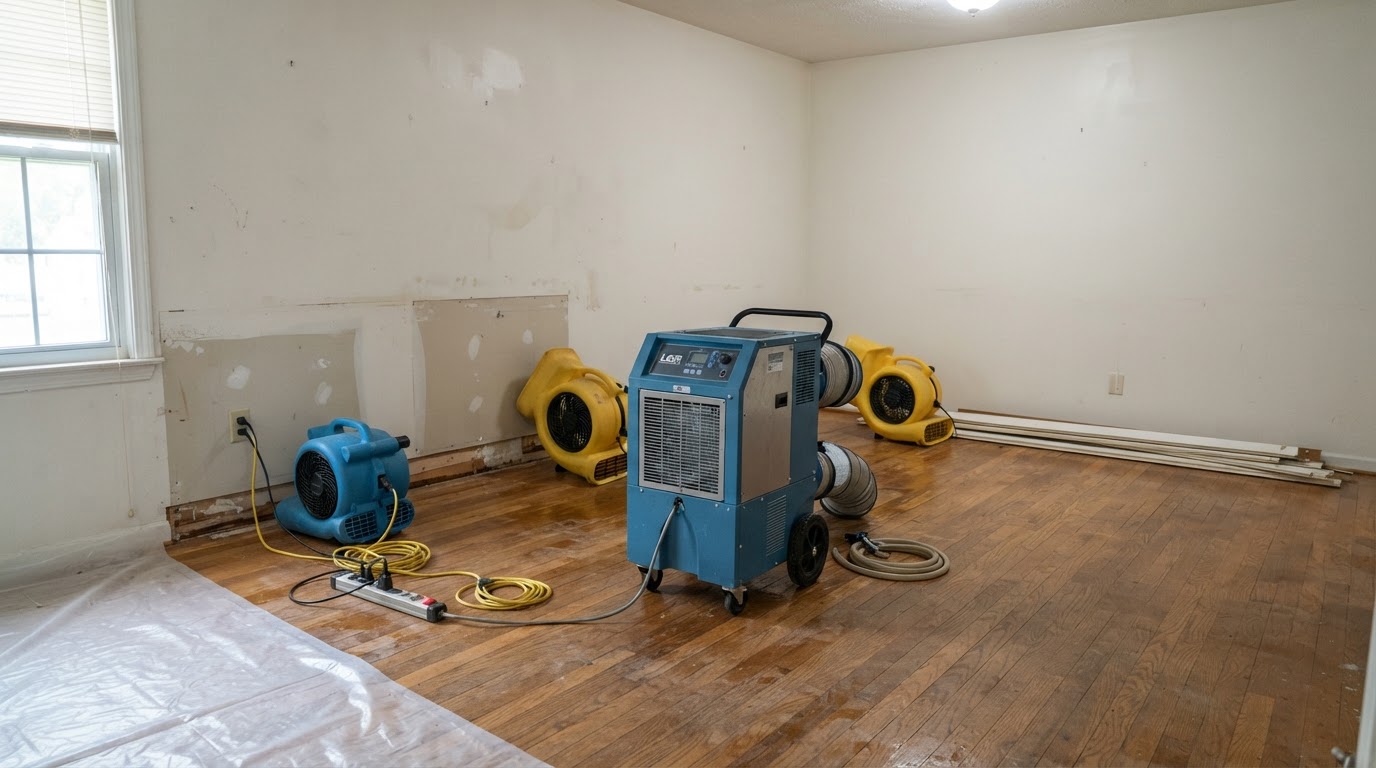
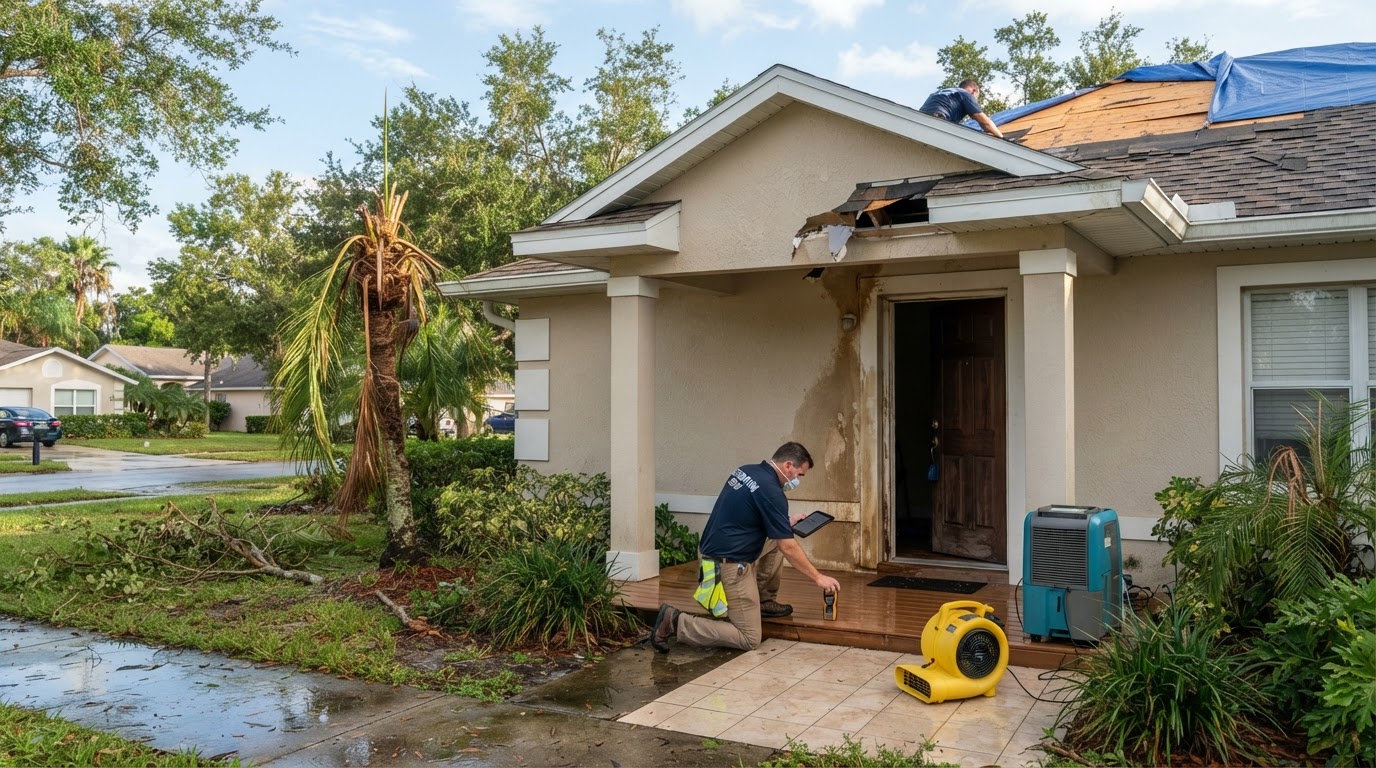
| Water Damage Restoration | Affected square footage, source of water, clean versus contaminated water, saturation level, flooring and drywall involvement, cabinetry, insulation, extraction requirements, drying equipment, moisture monitoring, demolition, sanitizing and repairs. | Small contained water losses can fall toward the lower end, while widespread saturation, contaminated water, extensive material removal and reconstruction can substantially increase the overall project scope. |
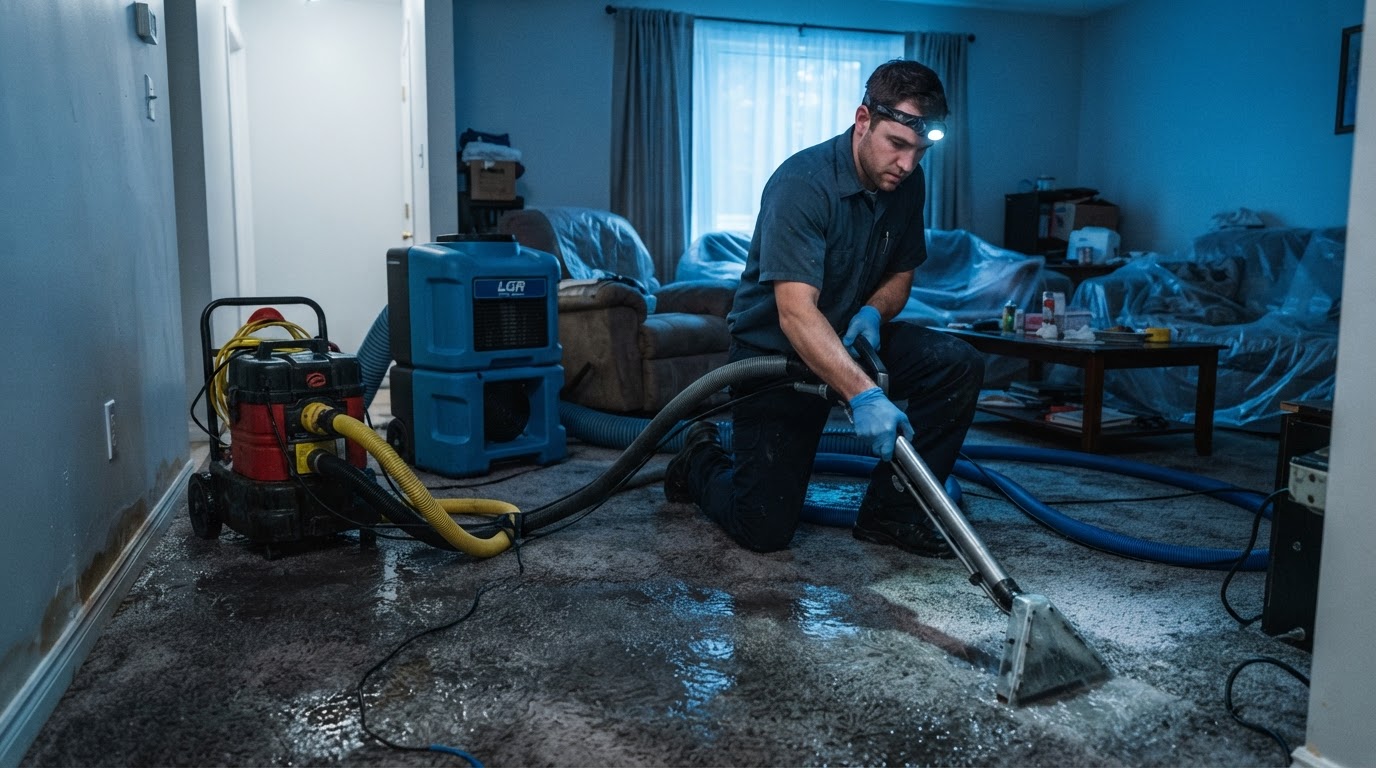
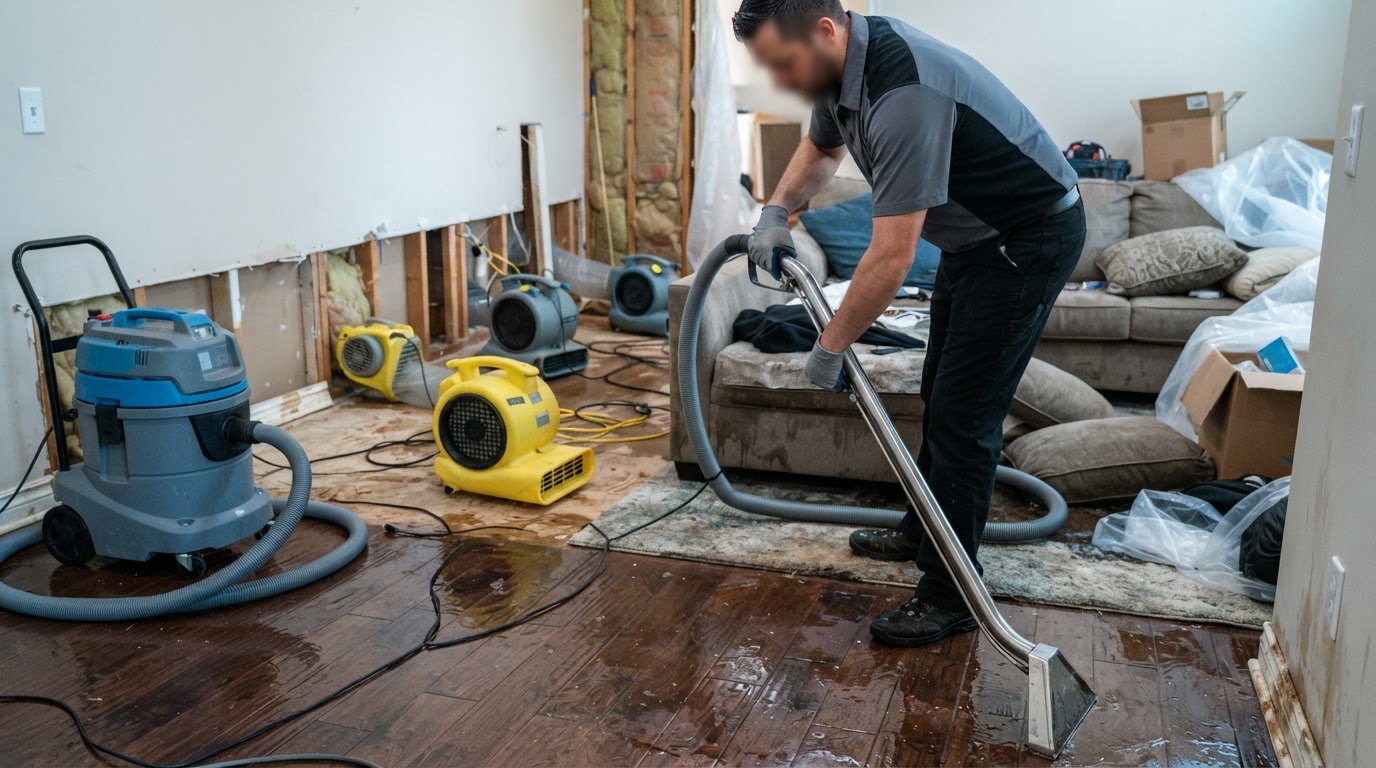
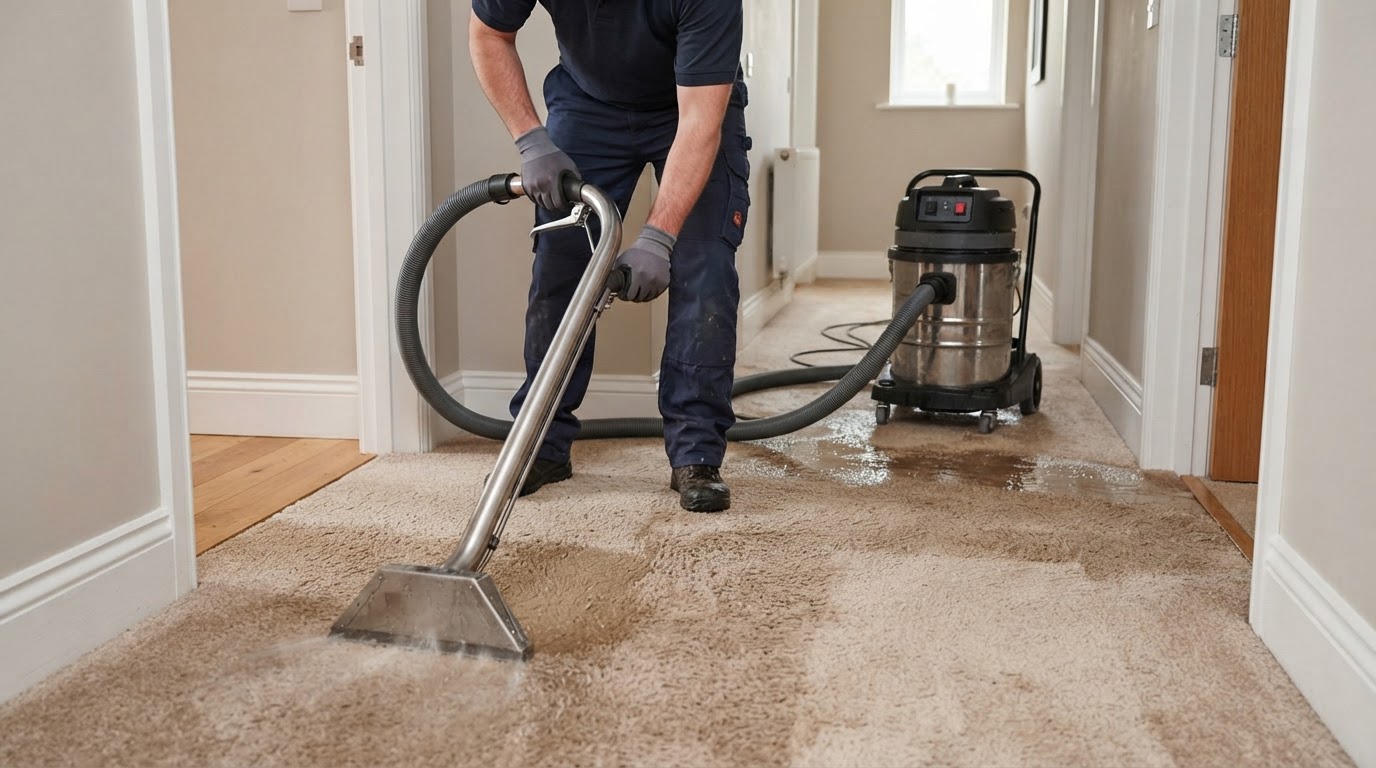
| Emergency Water Removal & Water Extraction | Volume and depth of standing water, affected square footage, extraction equipment, accessibility, carpet or flooring saturation, furniture and contents, number of affected rooms, water category and whether structural drying is also required. | A smaller accessible extraction project generally costs less than a multi-room water loss requiring high-capacity extraction equipment, extensive drying and repeated moisture monitoring. |
| Flood Damage Cleanup | Flooded square footage, water depth, source and contamination level, extraction volume, flooring, drywall, insulation, contents, sanitization, demolition, drying equipment, moisture monitoring and reconstruction requirements. | Limited clean-water flooding can fall toward the lower portion of the range, while larger losses or contaminated floodwater requiring removal of affected materials and extensive sanitation can cost considerably more. |
| Burst Pipe & Plumbing Leak Cleanup | Location of the leak, amount of water released, duration before discovery, rooms affected, wall or ceiling cavities, flooring, insulation, cabinetry, water extraction, drying equipment, demolition and moisture monitoring. | Quickly contained plumbing leaks generally require less mitigation than burst pipes that saturate multiple rooms, wall cavities, ceilings, flooring or other building materials. |
| Sewage Backup & Black Water Cleanup | Amount of contaminated water, affected square footage, flooring and porous materials, containment, extraction, personal protective measures, demolition, disposal, antimicrobial cleaning, sanitization, odor treatment, drying and reconstruction. | A contained sewage incident generally requires less labor and material removal than widespread black-water contamination affecting flooring, drywall, insulation, cabinetry or multiple rooms. Contaminated-water losses require a professional evaluation. |
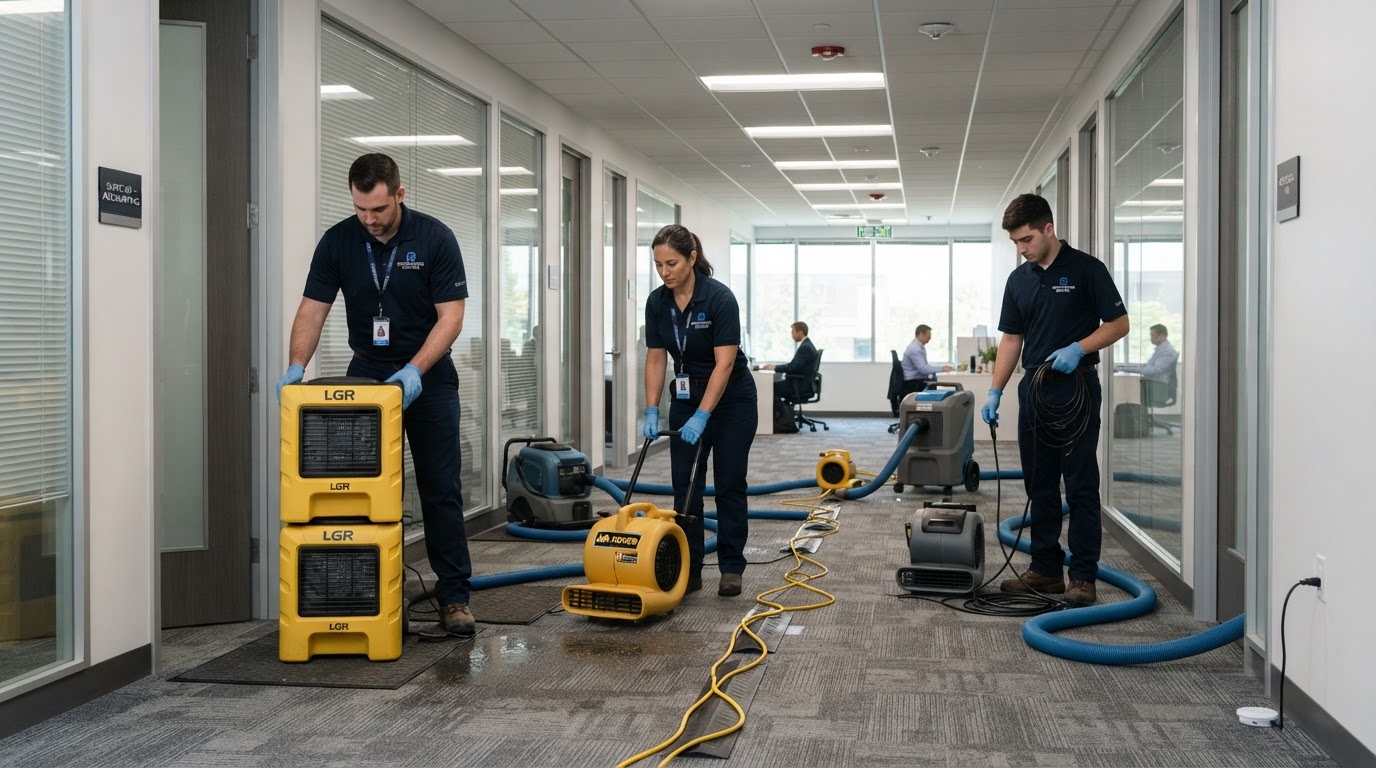
| Structural Drying & Dehumidification | Affected area, moisture levels, material density, number of air movers, number and type of dehumidifiers, drying duration, concealed moisture, wall cavities, hardwood or specialty materials, temperature and humidity conditions and moisture-monitoring visits. | A smaller accessible drying area may require only a limited equipment setup, while widespread saturation, dense building materials, concealed moisture and longer drying cycles may require substantially more equipment and monitoring. |
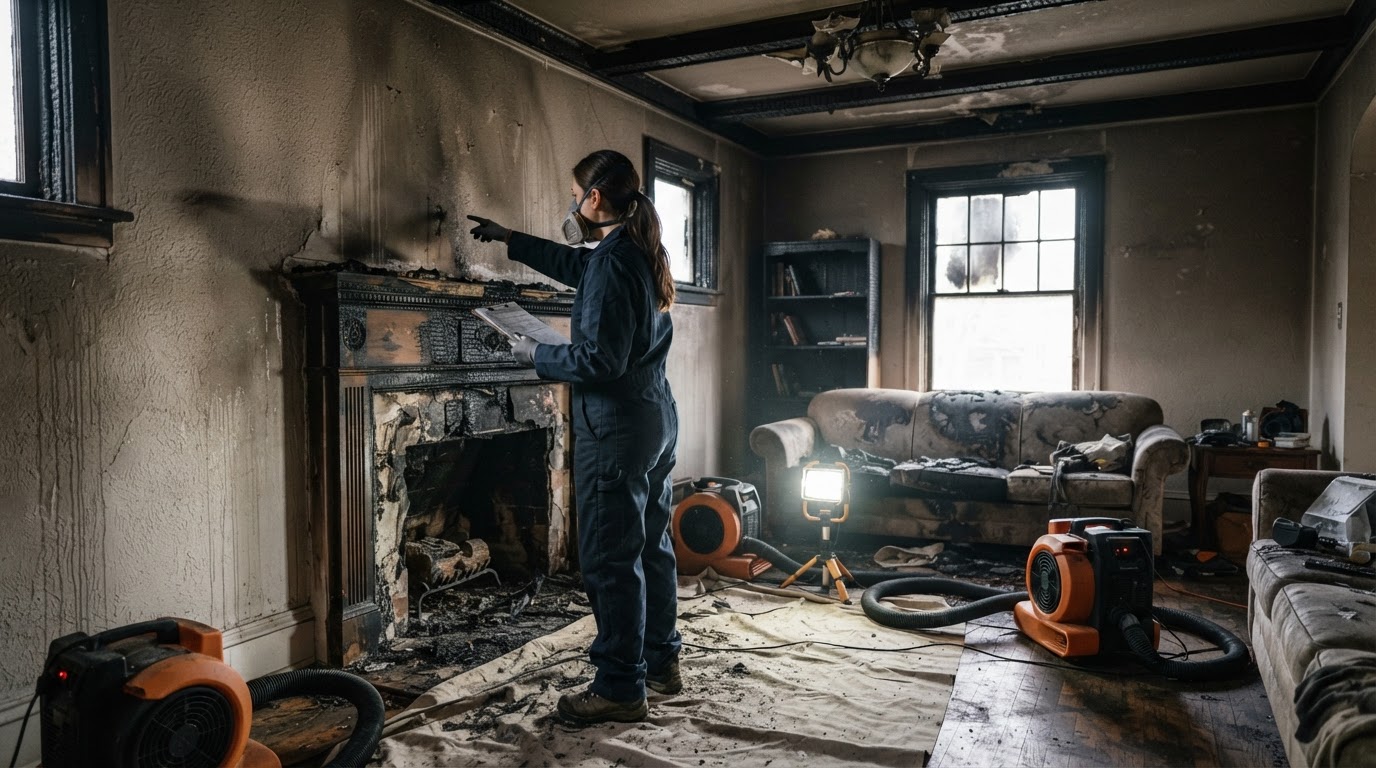
| Fire Damage Restoration | Size of the affected area, severity of fire damage, damaged building materials, firefighting water, debris removal, demolition, soot contamination, smoke migration, cleaning, odor treatment, structural repairs and reconstruction. | Minor localized fire damage may require primarily cleaning and limited repairs, while extensive fires involving structural materials, smoke, soot, water damage and reconstruction can produce much larger restoration scopes. |
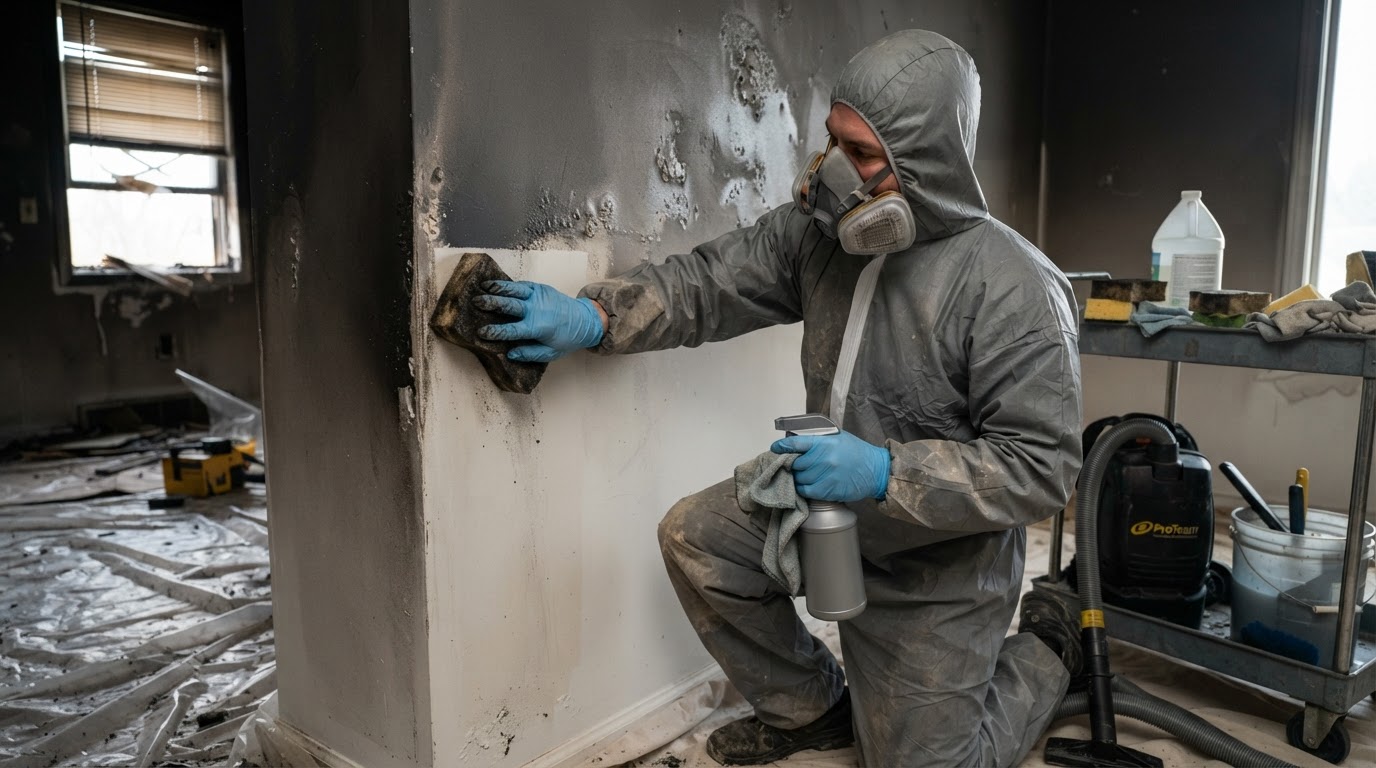
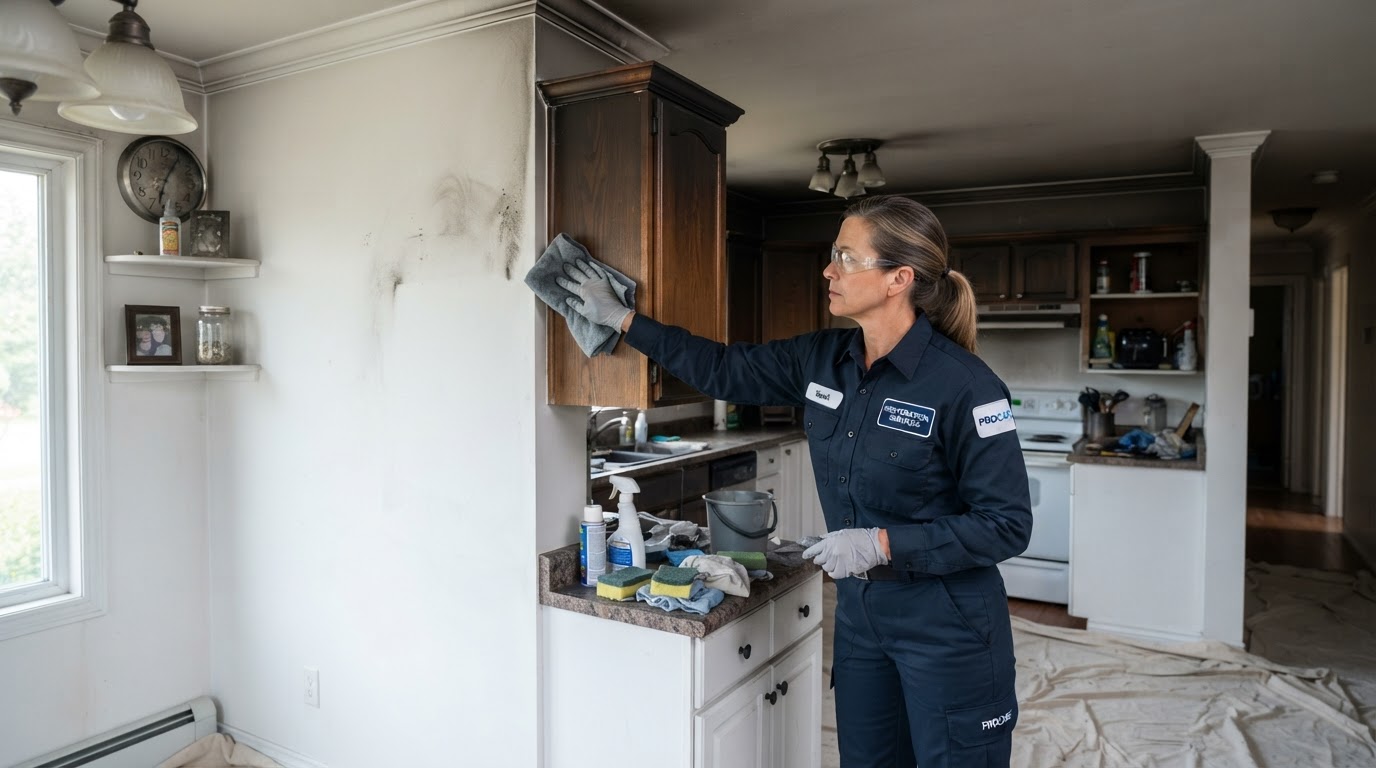
| Smoke Damage Cleanup & Smoke Odor Removal | Number of affected rooms, type and concentration of smoke residue, porous materials, HVAC involvement, surface cleaning, contents cleaning, deodorization methods, sealing requirements, soot contamination and whether damaged materials require removal. | Localized odor or smoke treatment may fall toward the lower end, while widespread smoke migration, heavy residue, multiple affected rooms and extensive deodorization can significantly increase the scope. |
| Soot Damage Cleanup & Removal | Amount and type of soot, surfaces affected, ceilings and walls, contents, HVAC distribution, cleaning methods, accessibility, staining, sealing requirements, odor treatment and whether damaged porous materials must be removed. | Smaller localized soot deposits generally cost less to address than heavy contamination throughout multiple rooms, ceilings, walls, contents or ventilation systems. |
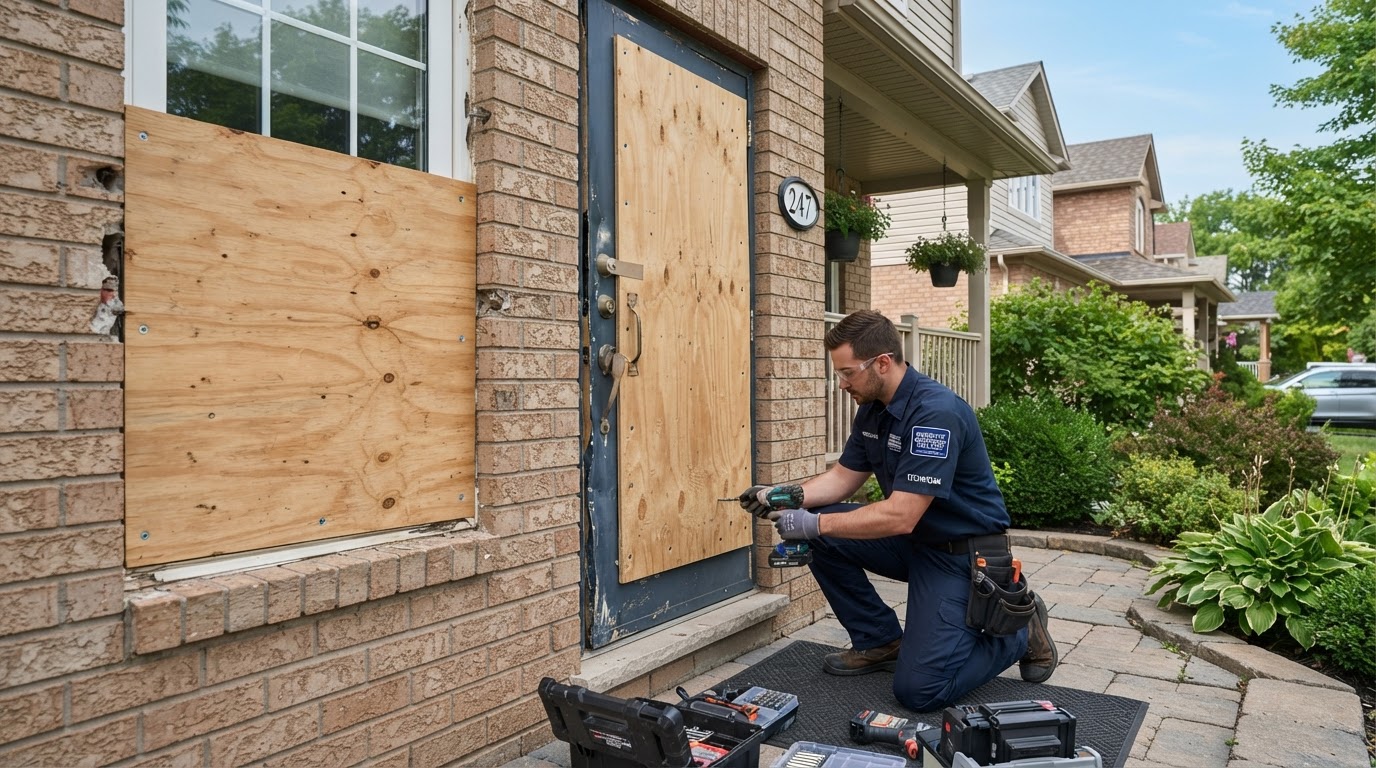
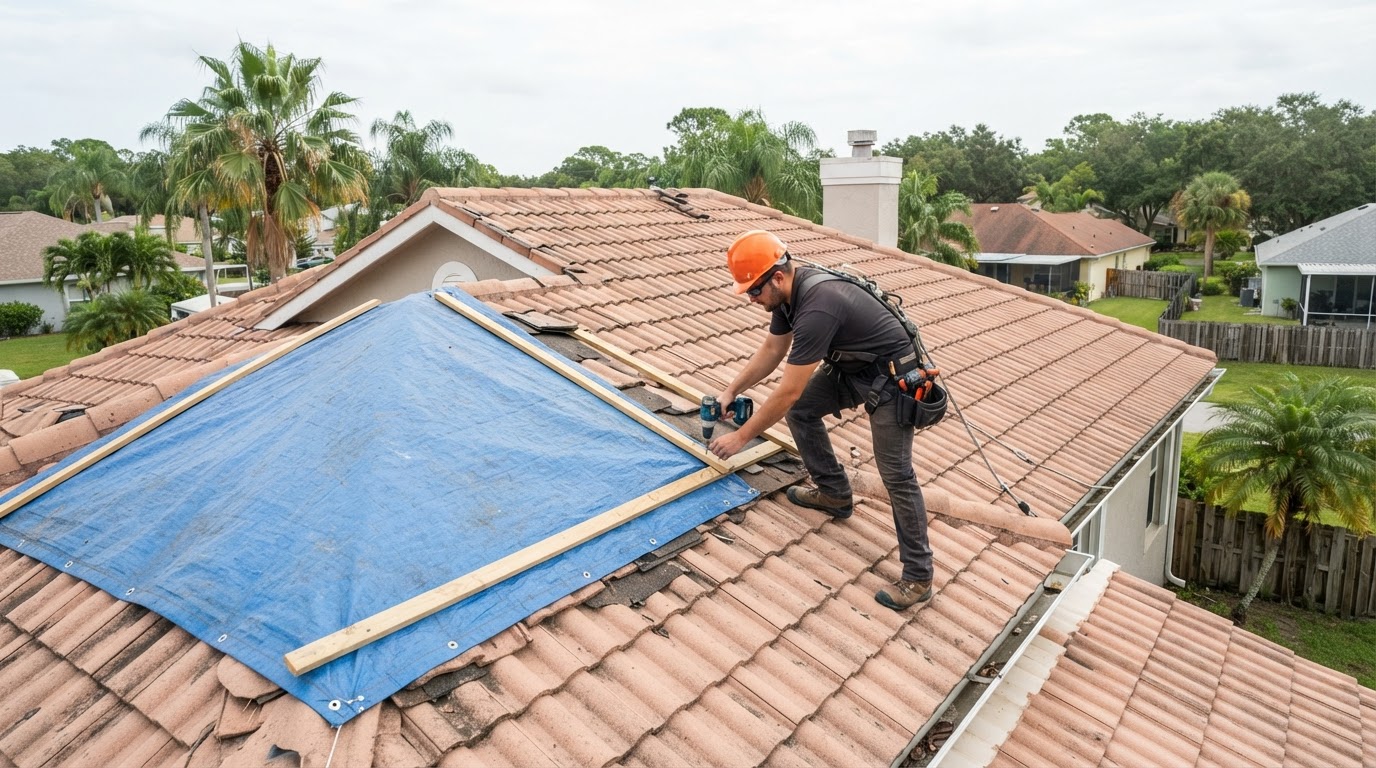
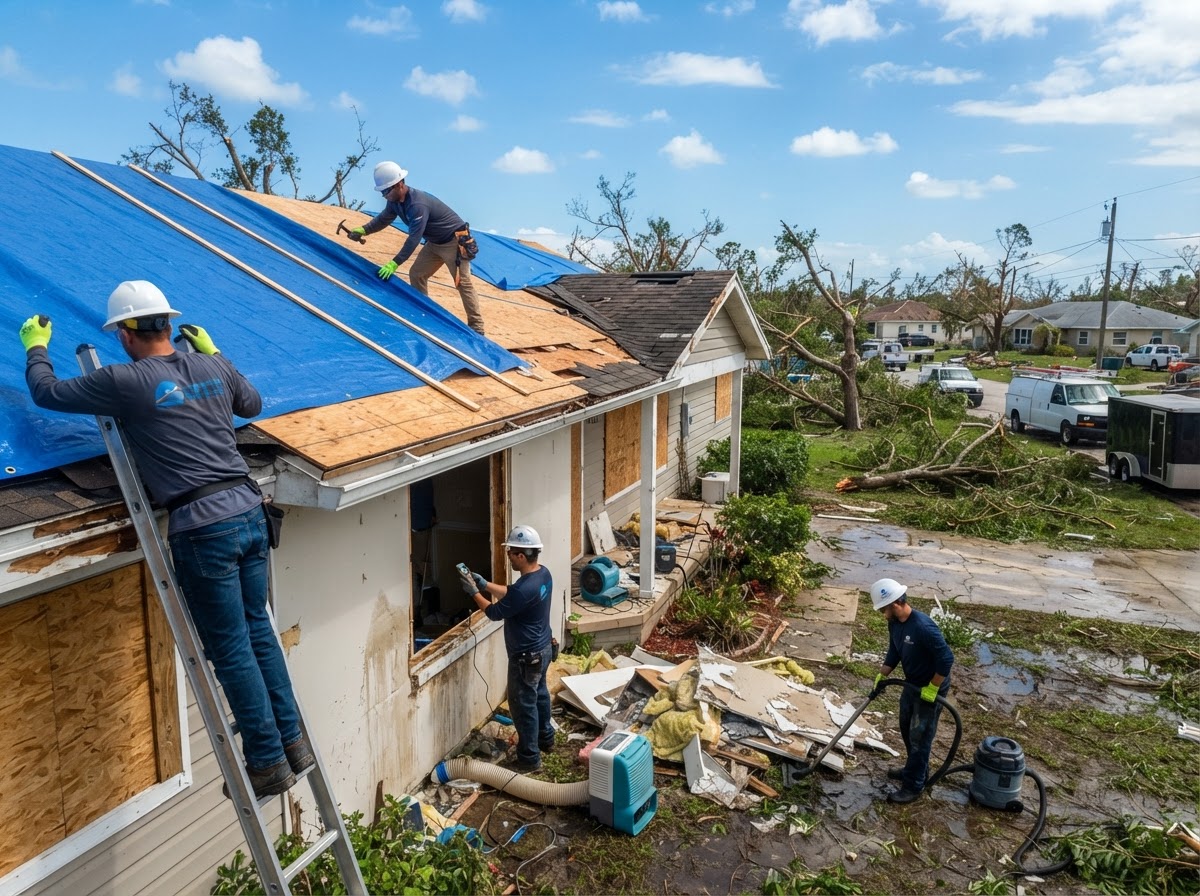
| Emergency Board-Up Services | Number and size of openings, windows versus doors, material requirements, access, height, damaged framing, glass or debris cleanup, securing methods and overall property conditions. | Securing a single accessible residential opening generally costs less than protecting multiple windows, doors or larger damaged sections of a property. |